
Laparoscopy vs Hysteroscopy: What’s the Real Difference and Why It Matters for Your Fertility
When you’re navigating the path to parenthood, medical terms like laparoscopy and hysteroscopy can feel overwhelming. These procedures are often mentioned during fertility evaluations or treatment discussions—but what do they actually mean? And more importantly, how do they impact your fertility journey? What Is the Difference Between Laparoscopy and Hysteroscopy.
At Dr. Parul Agrawal’s fertility clinic in Noida, clarity and patient understanding are essential. If you’re exploring your options for infertility treatment in Noida, it’s important to understand how these procedures work, what they’re used for, and when they might be recommended.
Let’s break it all down in plain, easy-to-understand terms—so you feel more informed, empowered, and ready to take the next step toward growing your family.
Meet Dr. Parul Agrawal: Trusted Name in Fertility Care
Before diving into the technical differences, it helps to know whose hands you’re in. With over 23 years of experience in Obstetrics, Gynecology, and Reproductive Medicine, Dr. Parul Agrawal is one of the most respected names in fertility care in India. As the Director of Reproductive Medicine & IVF at Cloudnine Hospital, Noida, she has helped countless couples conceive through advanced fertility procedures, including IVF, IUI, laparoscopy, hysteroscopy, and more.
Whether you’re starting your journey or have faced roadblocks along the way, her expertise as the best IVF doctor in Noida ensures you’re in the right place.
What Is Laparoscopy?
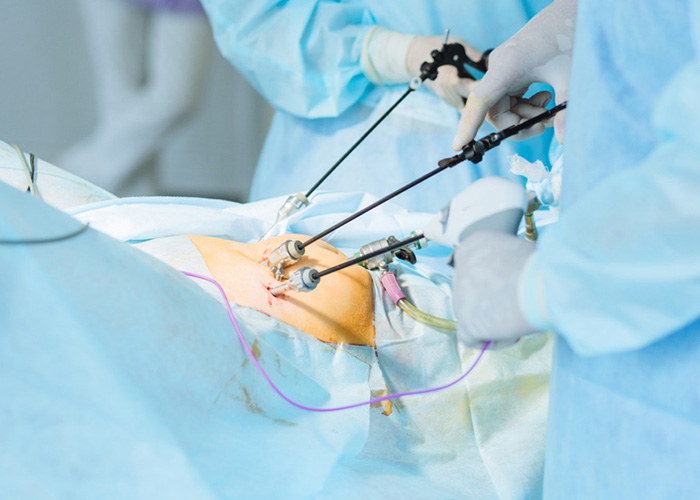
Laparoscopy is a minimally invasive surgical procedure that allows doctors to view and operate on the organs inside your abdomen or pelvis. It involves making a small incision—usually near the navel—and inserting a thin tube with a camera (called a laparoscope) to examine internal organs.
Why Is Laparoscopy Done?
In fertility care, laparoscopy is commonly used to diagnose and treat:
- Endometriosis
- Pelvic adhesions (scar tissue)
- Ovarian cysts
- Fibroids
- Blocked fallopian tubes
- Ectopic pregnancies
It’s both a diagnostic and therapeutic tool, meaning doctors can not only see what’s going on inside but also treat issues during the same procedure. What Is the Difference Between Laparoscopy and Hysteroscopy.
What Is Hysteroscopy?
Hysteroscopy is a procedure that lets your doctor look directly inside the uterus. It’s done using a hysteroscope—a thin, lighted tube inserted through the vagina and cervix into the uterus. Unlike laparoscopy, no cuts or external incisions are required.
When Is Hysteroscopy Used?
Hysteroscopy is ideal for diagnosing and treating:
- Abnormal uterine bleeding
- Polyps or fibroids inside the uterine cavity
- Uterine septum (a congenital anomaly)
- Scar tissue in the uterus (Asherman’s Syndrome)
- Repeated miscarriages or failed IVF attempts
This procedure is usually quick, low-risk, and often performed on an outpatient basis.
Laparoscopy vs Hysteroscopy: What Sets Them Apart?
| Feature | Laparoscopy | Hysteroscopy |
|---|---|---|
| Area Examined | Abdomen and pelvis | Inside the uterus |
| Invasive Level | Minimally invasive (small abdominal incision) | Non-invasive (through vaginal opening) |
| Anesthesia | General anesthesia | Local or general, depending on complexity |
| Diagnostic Uses | Endometriosis, blocked tubes, cysts, adhesions | Uterine abnormalities, fibroids, polyps |
| Treatment Capability | Yes (treats detected issues in same session) | Yes (removes fibroids, polyps, scar tissue) |
| Recovery Time | 1 to 2 weeks (depending on condition treated) | Usually 1 to 2 days |
| Fertility Benefit | Improves chances by treating underlying issues | Restores healthy uterine environment |
Why Are These Procedures Important for Fertility?
When you’re trying to conceive, having a clear picture of your reproductive health is crucial. That’s where laparoscopy and hysteroscopy come in. They allow your doctor to see what imaging tests (like ultrasounds) often can’t reveal, giving more accurate diagnoses and targeted treatments.
For many couples, these procedures can be game-changers:
- Unexplained infertility: When standard tests don’t reveal a cause, laparoscopy or hysteroscopy can uncover hidden issues.
- Failed IVF cycles: Before repeating an IVF cycle, doctors often recommend a hysteroscopy to check for any uterine factors that may have affected embryo implantation.
- Chronic pelvic pain or irregular periods: These symptoms might indicate conditions like endometriosis or fibroids, which laparoscopy or hysteroscopy can address.
How Are These Procedures Performed?
Laparoscopy Procedure:
- The patient is placed under general anesthesia.
- A small incision is made near the navel.
- Carbon dioxide gas is pumped into the abdomen to create space.
- A laparoscope (camera) is inserted.
- Additional instruments may be used if surgery is needed.
- The incisions are closed with a stitch or two.
Hysteroscopy Procedure:
- The cervix may be dilated slightly.
- A hysteroscope is gently inserted through the vagina and cervix.
- A sterile liquid or gas may be used to expand the uterus for better visibility.
- Instruments may be passed through the hysteroscope for treatment.
- The scope is removed once the examination or treatment is complete.
Both procedures are safe when done by experienced hands. At the best IVF centre in Noida, each step is handled with care, precision, and personalized planning.
When Should You Consider These Procedures?
You may be a candidate for laparoscopy or hysteroscopy if:
- You’ve been trying to conceive for over a year with no success.
- You’ve had multiple IVF failures.
- Your doctor suspects endometriosis, fibroids, or polyps.
- Imaging tests reveal abnormalities in your uterus or pelvic area.
- You’re experiencing chronic pelvic pain or abnormal bleeding.
Dr. Parul Agrawal will guide you on whether one or both procedures are necessary, depending on your individual history and symptoms. What Is the Difference Between Laparoscopy and Hysteroscopy.
What Happens After the Procedure?
Recovery is typically quick, especially for hysteroscopy. After laparoscopy, you may experience mild bloating or discomfort, but most women return to normal activities within a week or two. Hysteroscopy patients often resume regular routines within a day or two.
More importantly, these procedures often lead to a more effective fertility plan. With a clearer diagnosis, treatments like IVF can be better tailored to your needs—giving you a greater chance at success.
Laparoscopy and Hysteroscopy in IVF Treatment
If you’re undergoing IVF treatment in Noida, you may be advised to do one or both procedures before starting or repeating a cycle. Why?
- Laparoscopy can fix issues like endometriosis or tubal blockages that may affect egg retrieval or fertilization.
- Hysteroscopy ensures the uterine environment is ready for implantation.
As the IVF Specialist doctor in Noida, Dr. Parul Agrawal often recommends these evaluations as part of a thorough fertility assessment. Her approach ensures that no detail is overlooked and that your fertility treatment is built on a strong foundation.
Why Choose Dr. Parul Agrawal for Fertility Procedures?
With a wealth of experience in fertility surgeries and reproductive medicine, Dr. Parul Agrawal offers:
- Compassionate, patient-centered care
- The latest technology and techniques in reproductive procedures
- A track record of successful fertility outcomes
- Personalized guidance from evaluation through to conception
Whether you’re looking for fertility treatment in Noida, Male Infertility Treatment in Noida, or advanced IVF care, Dr. Agrawal and her team offer the expertise and support you need.
You can explore more about her IVF clinic in Noida and the wide range of treatments available.
Ready to Take the Next Step?
Understanding the difference between laparoscopy and hysteroscopy is one step closer to finding the right treatment for your fertility needs. These procedures aren’t just diagnostic tools—they’re powerful allies in helping you achieve a successful pregnancy. What Is the Difference Between Laparoscopy and Hysteroscopy.










Leave a Reply