
How Age Affects Fertility Especially After 30 A Complete Guide for Women
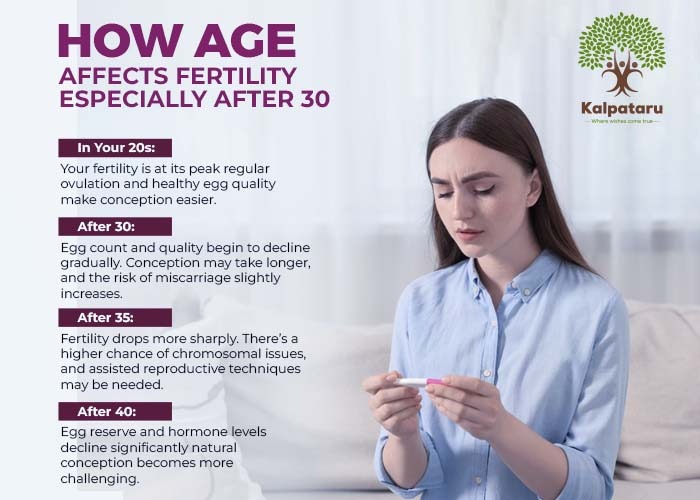
Fertility is deeply personal, and every woman’s journey is unique. Still, one thing remains constant: age plays a major role in reproductive health. Understanding how fertility changes in your 20s, 30s, and 40s helps you make informed decisions about family planning. Whether you are trying to conceive naturally or exploring options like IVF, clarity makes the journey smoother and empowers you to take timely action. How age affects fertility especially after 30.
This detailed guide shares how fertility evolves with age and when professional guidance from an expert like Dr. Parul Agrawal can be helpful. If you are planning pregnancy or facing delays, her expertise and advanced fertility care at her Fertility Clinic in Noida can offer the right direction.
Before diving into age-wise fertility changes, here is a quick look at her profile.
About Dr. Parul Agrawal
With more than 23 years of distinguished experience, Dr. Parul Agrawal stands among the most trusted names in reproductive medicine. A leading gynecologist in Noida, she currently serves as the Director of Reproductive Medicine and IVF at Cloudnine Hospital, Noida.
Her expertise spans Obstetrics, Gynecology, and advanced fertility care. Over the years, she has contributed significantly to improving fertility outcomes for couples through personalized care, scientific precision, and compassionate guidance.
Learn more about her background here: About Dr. Parul Agrawal
Why Does Age Matter in Fertility
A woman is born with all the eggs she will ever have. Unlike sperm, eggs do not regenerate. As age progresses, both the quantity and quality of eggs decline. Hormonal balance, ovulation patterns, and overall reproductive health also change with time.
This is why understanding the natural fertility timeline helps you take the right steps at the right time.
Below is a stage-wise overview of how fertility evolves from your 20s to your 40s.
Fertility in Your 20s Peak Years of Reproductive Health
Your 20s are considered the most fertile phase of life. During this decade:
1. Egg Quality Is at Its Best
Eggs are healthier, genetically stable, and more capable of successful fertilization.
2. Ovulation Is Regular and Strong
Most women experience predictable menstrual cycles, making it the easiest time to conceive naturally.
3. Higher Chances of Natural Pregnancy
This is the age when the possibility of conception per cycle is highest.
4. Lower Risk of Miscarriage
Healthier eggs reduce chromosomal abnormalities, minimizing pregnancy risks.
However, this does not mean you must conceive in your 20s. Many women choose career growth, personal goals, or financial stability first. Still, awareness helps you plan ahead.
Fertility After 30 Gradual Decline Begins
This is the stage when many women settle professionally and personally and start thinking about pregnancy. Around 30, fertility is still good, but changes begin slowly.
1. Egg Count Starts Reducing
The ovarian reserve begins to decline steadily. The number of healthy, mature eggs per cycle becomes fewer.
2. Egg Quality Declines
The chances of chromosomal issues increase slightly, which can affect conception and pregnancy health.
3. Conception Might Take Longer
Many couples conceive naturally in their early 30s, but it may take a few more attempts than in their 20s.
4. Miscarriage Risk Slightly Increases
Due to declining egg quality, the miscarriage rate increases modestly.
If you are trying to conceive and want a guided approach, you can seek help through Fertility Counselling for clarity and early evaluation.
Fertility After 35 Noticeable and Faster Decline
Age 35 is often referred to as an important fertility milestone. While many women have healthy pregnancies after 35, the biological decline becomes sharper. How age affects fertility especially after 30.
1. Faster Drop in Egg Count and Reserve
AMH levels and ovarian reserve begin to fall more quickly between 35 and 38.
2. Higher Risk of Chromosomal Abnormalities
This increases the chances of miscarriage and conditions like Down syndrome.
3. Natural Pregnancy Rates Decrease
Chances of conception per cycle reduce significantly compared to early 30s.
4. Assisted Reproductive Techniques May Be Needed
Treatments like IVF can support conception when natural attempts are unsuccessful. You can explore options with the best IVF doctor in Noida to understand what suits your body best.
5. Hormonal Shifts Begin
Hormone levels become more unpredictable, affecting ovulation and menstrual regularity.
This age group benefits most from timely fertility evaluation. If conception takes more than six months, it is advisable to meet an IVF Specialist in Noida to assess reproductive health.
Fertility After 40 A Challenging But Not Impossible Phase
After 40, fertility becomes more complex due to significant hormonal and ovarian changes.
1. Sharp Decline in Egg Reserve
Most women have very few eggs left, making natural conception difficult.
2. Egg Quality Drops Significantly
The likelihood of chromosomal abnormalities increases substantially, impacting pregnancy outcomes.
3. Hormone Levels Reduce
Lower estrogen and progesterone affect ovulation and cycle predictability.
4. Higher Need for Fertility Treatments
Advanced techniques like IVF, ICSI, and donor programs may be recommended. Consulting an experienced IVF Specialist doctor in Noida is crucial for accurate guidance.
5. Success Rates Drop Naturally
IVF success rates also depend heavily on age, making timely planning essential.
If you are above 40 and planning pregnancy, consulting the best IVF treatment doctor in Noida ensures a well-structured, personalized approach.
Male Fertility and Age Why It Matters Too
While the focus often stays on women, male fertility also changes with age. Sperm quality, motility, and count can decline over time, especially after 40.
If you suspect male-factor issues, exploring the Male Infertility Treatment in Noida is important.
It helps rule out sperm-related challenges and ensures both partners receive proper evaluation.
When Should You Consult a Fertility Specialist
You should consider meeting a fertility specialist doctor in Noida if:
• You are under 35 and unable to conceive after 1 year
• You are above 35 and unable to conceive after 6 months
• You have irregular periods
• You have a history of PCOS, endometriosis, or thyroid issues
• You or your partner has known fertility concerns
• You are planning pregnancy after 40
• You need clarity about egg reserve or reproductive health
Early evaluation at an experienced ivf clinic Noida improves outcomes and helps you plan ahead wisely. How age affects fertility especially after 30.
Why Choose Dr. Parul Agrawal for Fertility Care
Choosing the right fertility expert makes all the difference. With decades of experience, scientific insight, and compassionate care, Dr. Parul Agrawal stands as one of the most trusted names in fertility treatment in Noida.
Her clinic offers advanced evaluation, accurate diagnosis, and personalized treatment plans designed to support natural conception or assistive techniques like IVF.
Explore her services here:
Visit Dr. Parul Agrawal’s Fertility Clinic
Conclusion
Age undoubtedly influences fertility, but it is only one part of the story. With the right medical guidance, timely evaluation, and modern fertility treatments, many couples achieve successful pregnancies even after 35 and 40.
If you are planning your fertility journey or need expert consult, reaching out to Dr. Parul Agrawal, one of the leading fertility specialists in Noida, can help you take confident steps toward parenthood.
For consultations, call +91-9990006960 or email parulagrawal.noida@gmail.com.
High Search FAQs
1. Does fertility decline suddenly after 30
Fertility does not drop suddenly at 30, but a gradual decline begins and becomes sharper after 35.
2. Is it harder to get pregnant after 35
Yes, age 35 and above sees a faster drop in egg quality and reserve, making conception more challenging.
3. Can women naturally conceive after 40
Natural conception is possible but less likely due to reduced egg reserve and quality. Many women need assistance like IVF.
4. How does age affect egg quality
With age, eggs are more likely to develop chromosomal abnormalities, reducing fertility and increasing miscarriage risk.
5. When should couples visit a fertility specialist
If conception does not occur within 1 year before 35, or within 6 months after 35, a fertility evaluation is recommended.









Leave a Reply